After the fire is out: smoke, soot and what recovery involves
Recovery after a fire runs on several tracks at once, and the planning for the rebuild starts well before the cleaning is done.
October 17, 2026 · 4 min read
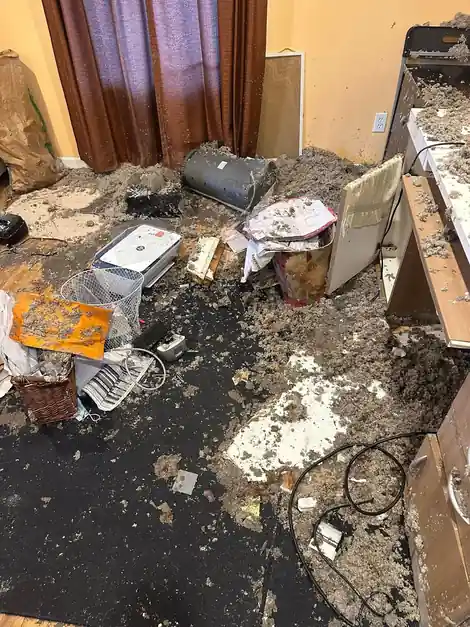
When the fire department leaves, the fire is out but the loss isn't over. Smoke has traveled through rooms the flames never reached. Soot has settled on every surface. The water used to put out the fire has soaked into floors and walls. What follows is a set of overlapping jobs: securing the property, removing residue, neutralizing odor, cleaning contents and planning the rebuild. They go better when they're coordinated.
Why the damage keeps spreading
Smoke travels with air movement. It moves through ducts, along wall cavities and up stairwells, and it carries fine particles that settle on surfaces well away from the fire. Left in place, soot can set into surfaces and become harder to remove. Odor works the same way, soaking into porous materials such as drywall, insulation, upholstery and wood.
That is why a house that looks only lightly affected can still need extensive cleaning. What you see is rarely all of it. A room with no scorch marks can still hold residue on the ceiling, inside cabinets and in the dust above the light fixtures, and rooms at the far end of the house can carry the smell.
It also explains why the order of work matters. Cleaning the visible surfaces first and the hidden ones later means the hidden ones recontaminate the clean ones. A crew that works from the top of the room down, and from the source outward, avoids doing the same wall twice.
Assessment and stabilization come first
The first priority is making the property safe and stopping further loss. A crew assesses the damage, secures openings with boards or tarps and deals with standing water from firefighting, which is its own water loss that needs drying. Structural damage is evaluated before anyone works inside.
- Don't enter a fire-damaged structure until it has been cleared as safe.
- Don't turn on the HVAC system, which can pull soot through the whole house.
- Don't wipe soot with a wet cloth. Wiping can smear it deeper into the surface.
- Don't power on electronics or appliances that were exposed to smoke or water.
- Do photograph everything before it's touched, and call your insurer.
Soot and residue removal
Not all smoke residue is the same. Different materials burn differently and leave residues that behave differently on a wall. Some are dry and powdery, others are greasy and smear easily. The cleaning method has to match the residue. Using the wrong one grinds the residue in.
Quality Cleaning and Restoration, LLC uses industry-approved methods aligned with IICRC standards for smoke and fire work. Residue is removed from structural surfaces and the materials that can be restored are cleaned and brought back, while material too damaged to save is removed.
Odor neutralization
Smoke odor is a physical presence in the house, with particles trapped in materials and in the air. Fragrance masks it for a day or two and then it returns. Real deodorization means removing the source: cleaning the residue, taking out charred or saturated material, and treating the air and surfaces so the odor is neutralized rather than covered. The approach depends on what burned and what absorbed it.
Contents cleaning
Furniture, clothing, kitchenware, books and keepsakes all took in smoke too. Contents cleaning starts with a sorting step, and the sorting is done carefully because it decides what your family gets back. Contents are sorted into what can be cleaned and restored and what can't. Hard goods are usually easier to bring back than soft goods, and some items are worth saving for their value to the family even when replacement is cheaper on paper. Your insurer will want an inventory, so photograph and list what's affected before anything is cleaned or discarded.
Why framing and reconstruction planning start early
Fire can compromise framing, floor structure and roof and ceiling members, and none of that can be finished until someone has looked at it. The longer the rebuild plan waits, the longer the home sits empty. So the planning runs next to the cleaning, not after it. The same crew that is assessing soot can be evaluating the framing, listing materials and building a scope that the adjuster can review. When the cleaning is done, the rebuild is ready to begin.
This is where an in-house reconstruction crew pays off. Quality Cleaning and Restoration, LLC handles framing for fire-damaged structures, along with drywall, flooring and finishes, so the cleanup scope and the rebuild scope are drawn together. Coordination with your insurance company and reconstruction planning is part of the fire damage work from the start, which keeps the home from sitting idle while paperwork catches up.
If you've had a fire in Farmington or anywhere in southeast Missouri, call (573) 631-8495. The line is answered 24 hours a day, and estimates are free.
Quality Cleaning and Restoration, LLC, (573) 631-8495
Call (573) 631-8495More articles
What to do in the first hour after water gets into your house
A short sequence done in the right order limits the damage and protects your insurance claim at the same time.
Why a floor that looks dry can still be wet
Surface dryness is something you feel, while real dryness is something a crew measures and records.