Working with an insurance adjuster after a water, fire or mold loss
Organized documentation and a clear order of work make the claims process easier for you and for the adjuster.
October 17, 2026 · 3 min read
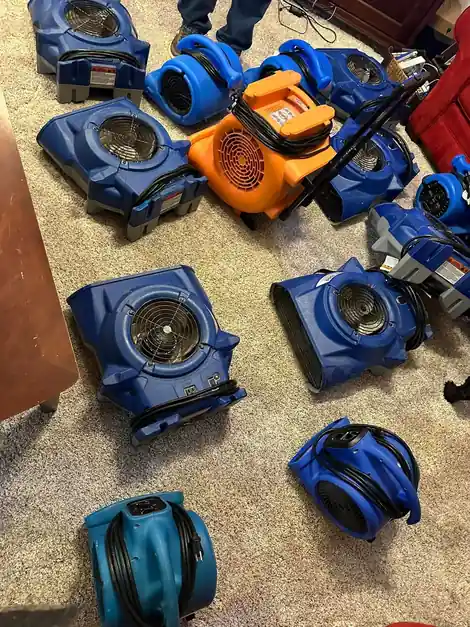
After a water, fire or mold loss you are dealing with two things at once: a damaged home and a claims process. The adjuster's job is to understand what happened and what it will take to put it right. Yours is to make that easy to see. People who go into the process organized tend to have a smoother time, and most of the organizing is simple.
Start the documentation before cleanup
The most persuasive evidence in any claim is the condition of the property before anyone changed it. Take photos and video of the damage before anything is moved, removed or thrown out. Keep damaged items until the adjuster has seen them or confirmed that photographs are enough. A simple folder on your phone or computer is plenty.
- Photos and video of every affected room, taken before cleanup begins.
- A written timeline: when you noticed the loss, what you did and who you called.
- A list of damaged contents with a description and, where you know it, the brand, model and age.
- Receipts for emergency expenses.
- Names, dates and claim numbers from every conversation with your insurer.
Policies differ in what they cover and what they require, so read yours or ask your agent directly. Don't assume, and don't rely on what a neighbor's policy did. When you aren't sure, ask in writing so you have the answer on record.
The order of work matters
Restoration work happens in two phases, and the order is not flexible. The first phase is stopping the loss from getting worse: extracting water, setting drying equipment, removing material that can't be dried, cleaning soot or containing mold. The second is reconstruction, which means replacing drywall, flooring, cabinets and finishes.
Starting the second phase before the first is finished is a common and expensive mistake. Closing up a wall that hasn't been verified dry, or laying new flooring over a damp subfloor, means doing the work twice. The adjuster will want to see that the first phase is documented and complete before the rebuild is scoped and approved, and a rushed second phase puts that approval at risk.
What an adjuster needs from a restoration company
An adjuster is working from a file, and the file is only as good as what goes into it. A good restoration company supplies documentation that lets the adjuster verify the work instead of taking anyone's word for it.
- A clear scope that states what was damaged, how it was measured and what work is planned and why.
- Moisture readings with locations and dates for water and mold losses.
- Photos of affected areas before, during and after the work.
- Notes on what was removed and why it couldn't be saved.
- Contents inventories that separate what can be cleaned from what can't.
Quality Cleaning and Restoration, LLC works alongside adjusters on water, fire, mold and storm claims, and puts that documentation together as the job goes, not afterward from memory.
One scope when the same company rebuilds
When cleanup and reconstruction are done by different companies, the scope gets written twice. There is often a gap between the two. The cleanup crew decides what comes out, the rebuild contractor decides what goes back, and nobody is accountable for the space in between: whether the framing is sound, whether the subfloor was dried properly, whether the first company removed too much or too little.
A company that restores and rebuilds in-house can write the scope once, from the first moisture reading to the last coat of paint. The adjuster is reading one set of notes from one crew. The people who pulled the damaged drywall are the same people deciding what has to be framed, hung and finished, so nothing falls between the phases.
Questions worth asking your adjuster
- What documentation do you need from me and from the contractor?
- How is the scope updated if we find more damage once the walls are open?
- Who is my contact for this claim, and what is the best way to reach them?
- Is anything I've removed or discarded needed for the claim?
Hidden damage is common, and opening a wall or lifting a floor sometimes reveals more than anyone could see at the start. Tell the adjuster early, with photos, instead of at the end. If you and the adjuster disagree on something, keep your notes calm and factual, and let the documentation do the talking.
If you're facing a loss in Farmington or anywhere in southeast Missouri, Quality Cleaning and Restoration, LLC offers free estimates and answers at all hours. Call (573) 631-8495.
Quality Cleaning and Restoration, LLC, (573) 631-8495
Call (573) 631-8495More articles
What to do in the first hour after water gets into your house
A short sequence done in the right order limits the damage and protects your insurance claim at the same time.
Why a floor that looks dry can still be wet
Surface dryness is something you feel, while real dryness is something a crew measures and records.